.png)
Smells Like Green Spirit Review

By Justin D Williams
Smells Like Green Spirit by Saburo Nagai is an emotionally raw coming-of-age manga about identity, shame, friendship, and the search for a place to live honestly. What seems like a straightforward story about school bullying soon becomes far more complicated, uncomfortable, and deeply human.
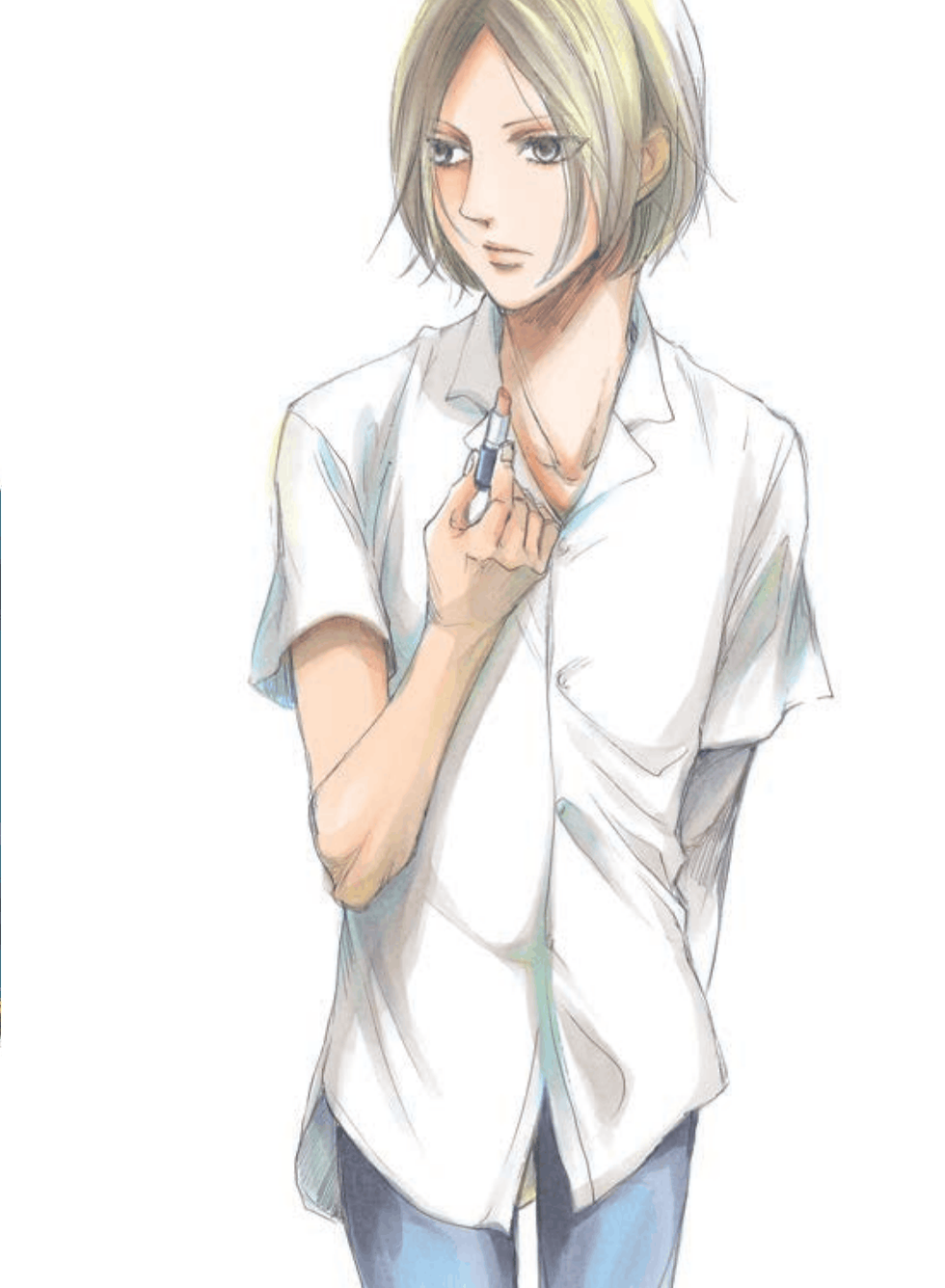
The story follows Futoshi Mishima, a middle school student in an isolated rural community. Mishima is relentlessly bullied for his feminine appearance, long hair, and the assumptions classmates make about his sexuality. At home, he secretly borrows his mother’s lipstick and dresses in a way that expresses a hidden part of himself he believes the world would never accept.
When Mishima unexpectedly discovers that Makoto Kirino, one of his tormentors, has also been secretly experimenting with the same lipstick, the dynamics between them begin to shift.
This secret creates the story's central relationship. As they meet privately, Mishima and Kirino gradually carve out a space to lower their defenses and speak honestly about attraction, gender expression, family expectations, and uncertainty about the future.
I appreciated that the story does not immediately provide either boy with simple answers. Mishima understands that he is gay, but he is still discovering what being gay means for the life he wants. Kirino enjoys feminine expression, but he is less certain about whether that means he wants to live as a woman. The manga allows those questions to remain complex rather than placing every character into a convenient category.
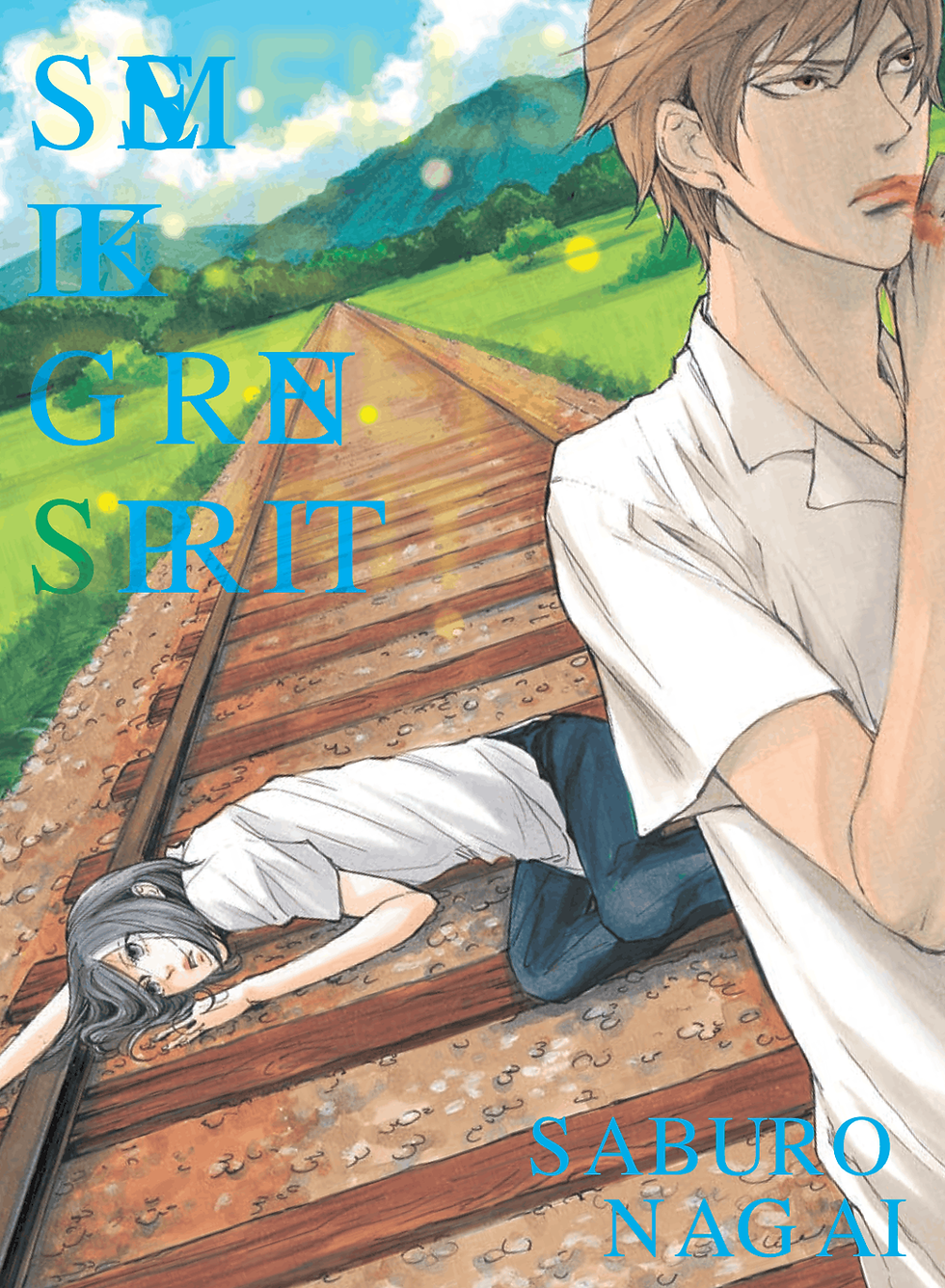
Yet, the tone shifts dramatically as the consequences of repression, prejudice, gossip, and abuse close in around them, contrasting with the story's lighter moments when Mishima and Kirino experiment with makeup together.
Some of these tonal changes are extremely sudden. I went from laughing at an exaggerated expression to reading something genuinely disturbing only a few pages later. That contrast sometimes made the pacing feel uneven, but it also showed how quickly safety can disappear for these characters.
Mishima was the emotional heart of the story for me. He is sensitive, observant, funny, and painfully aware of how others see him. I could feel how much energy he spends attempting to become invisible. His private moments with makeup are not treated like a joke. They are moments of genuine freedom.
Kirino is more difficult to understand at first, which makes his development especially rewarding. His cruelty toward Mishima comes from fear, jealousy, confusion, and his own carefully hidden desires. The story does not excuse the bullying, but it gradually reveals the frightened person hiding behind his masculine image.
Taro Yumeno initially appears to be another loud and obnoxious bully. He says some of the cruelest things in the book, but his relationship with Mishima becomes much more complicated. His feelings force him to confront the gap between the image he has created in his imagination and the actual person standing before him. I found him frustrating, occasionally hilarious, and ultimately much more sympathetic than I expected.
The mothers also play an important role. They are not interchangeable symbols of parental acceptance or rejection. Each woman has her own fears, personal history, and understanding of what a respectable family is supposed to look like. Mishima’s relationship with his mother became one of my favorite parts of the book because it demonstrates that acceptance can begin with confusion and still develop into something loving. One adult storyline is intentionally horrifying and involves the abuse of power over a minor. It is the darkest section of the manga and may be difficult for some readers. I understood what the story was communicating about repression, isolation, and predatory behavior, but I thought this subplot occasionally overwhelmed the quieter emotional story surrounding the boys.
Saburo Nagai’s artwork is expressive, though not always polished. The faces are long and delicate, with large eyes that convey fear, longing, resentment, and uncertainty through subtle changes in expression. Mishima can look completely detached in one panel and emotionally exposed in the next.
The rural environments are particularly effective. The mountains, empty roads, abandoned factories, train tracks, caves, and isolated buildings make the town feel beautiful but suffocating. It is easy to understand why the characters describe the outside world as a possible utopia. Their hometown feels like a fortress where rumors travel faster than trains. I also liked the repeated use of close-ups, silence, and empty space. Some of the strongest pages contain very little dialogue. A character’s hands, eyes, lipstick, or reflection can carry the entire emotional weight of a scene.

The more comedic artwork occasionally becomes exaggerated and chaotic. That style will not work for every reader, especially when it appears near more serious material. However, the visual storytelling is strongest in the quiet, intimate moments.
The most powerful theme for me was the idea of the mask. Nearly everyone is performing a version of themselves that they believe will be accepted.
Mishima tries to disappear. Kirino performs masculinity. Yumeno uses cruelty to conceal feelings he cannot explain. Parents protect appearances. Adults bury desires until those secrets become destructive.
The manga repeatedly refers to a private Pandora’s box inside each person. Opening that box can offer freedom, but it can also expose someone to rejection, violence, or shame. The story never pretends that honesty automatically solves everything.
It also explores the idea of utopia. The characters imagine that another city or another country will allow them to escape judgment. What I appreciated is that the manga understands that no place is completely free of pain. Finding community matters, but personal freedom also requires accepting the person you already are.
Most importantly, the story separates gender expression, sexuality, romantic attraction, and identity. These things may overlap, but they are not presented as identical. That gives the characters space to reach different conclusions about what happiness means for them.
Smells Like Green Spirit is tender, funny, painful, and occasionally difficult to read. It contains harsh, homophobic, and transphobic language, bullying, sexual abuse involving a minor, and discussions of suicide. None of that material is presented lightly, but readers should be prepared for how intense the story becomes.
A few tonal shifts felt abrupt, and one disturbing subplot threatened to overpower the central relationships. Even with those issues, I found the character writing thoughtful, the emotional moments powerful, and the ending appropriately bittersweet.
The story does not promise that every relationship will last forever or that every character will follow the same path. Instead, it shows how one brief connection can give someone the courage to imagine a different life.
Final Score


Comments